

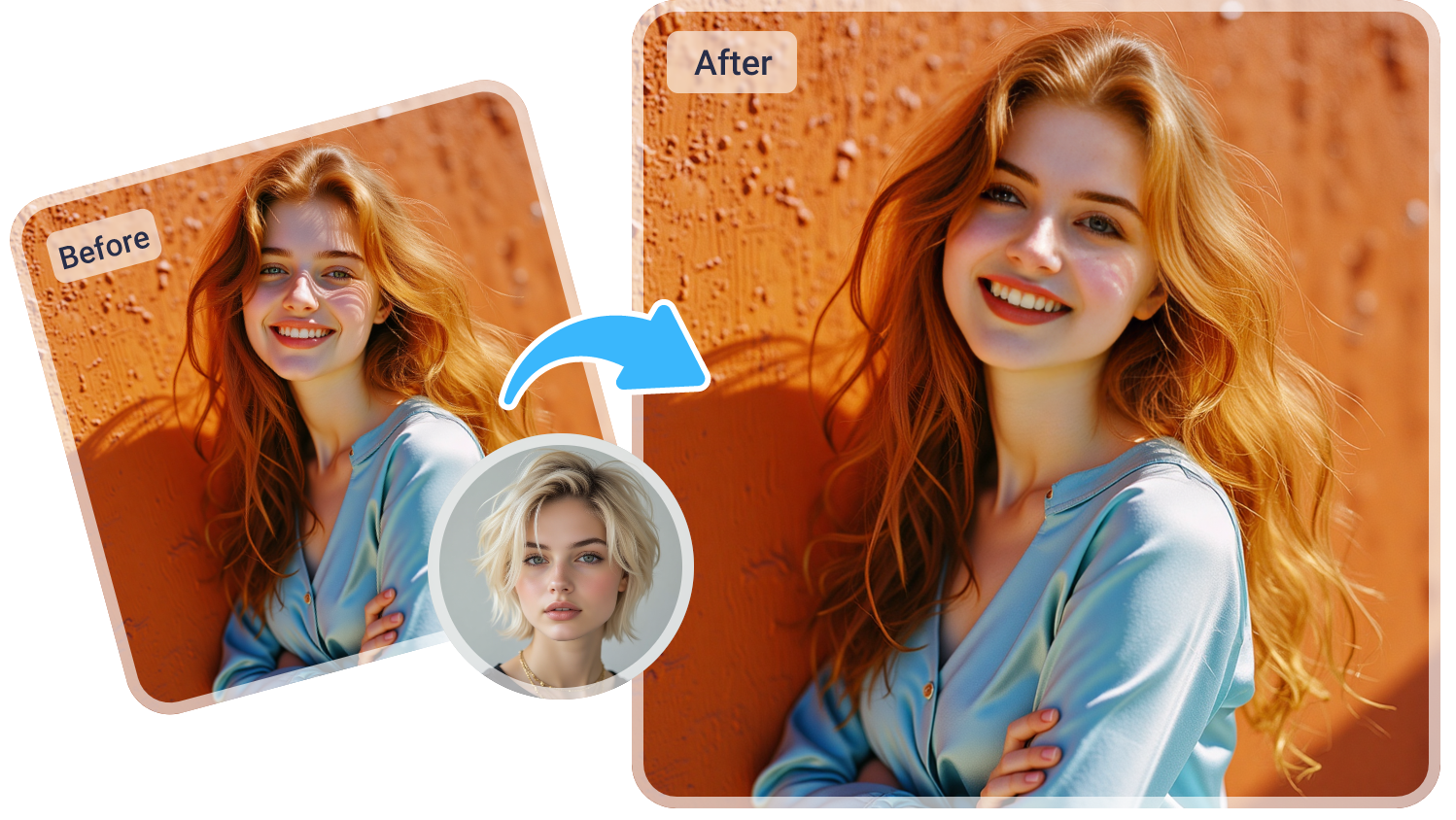
In 2026, video creation speed matters as much as quality. Marketing teams publish daily, creators test ideas hourly, and startups need visuals before budgets catch up. Two capabilities have become essential across all of these workflows: believable face replacement and accurate audio-to-mouth animation.
I spent weeks testing today’s leading tools in real production scenarios—ads, social clips, product explainers, and internal demos. This guide is for practical decision makers who need answers quickly and tools that hold up under repeated use.
Best Tools at a Glance (2026)
| Rank | Tool | Primary Strength | Modalities | Platform | Free Plan | Best For |
|---|---|---|---|---|---|---|
| #1 | Magic Hour | Face replacement + lip sync | Video, Image, Audio | Web | Yes | Creators shipping weekly |
| #2 | HeyGen | Avatar-driven talking heads | Video, Audio | Web | Trial | Marketing teams |
| #3 | D-ID | Image-to-speech animation | Image, Audio | Web | Limited | Internal comms |
| #4 | Synthesia | Scripted training videos | Video, Audio | Web | Demo | Enterprise training |
| #5 | Reface Pro | Casual face swaps | Image, Video | Mobile/Web | Yes | Quick experiments |
#1 — Magic Hour
Magic Hour takes the top spot because it’s the most balanced platform I tested. It doesn’t feel like a demo product or a novelty app. It feels like a tool designed for people who need to publish consistently.
For early-stage creators and teams testing a free AI face swap, Magic Hour offers one of the most usable free tiers available. You can evaluate quality, understand limitations, and decide whether it fits your workflow before paying.
Its audio-driven animation system also stood out. In side-by-side tests, mouth movement tracked speech cleanly, making it a strong option for anyone evaluating a lip sync video AI solution for short-form content.
Pros
- Natural facial blending with minimal artifacts
- Accurate mouth movement aligned to audio
- Fast processing, even on the free tier
- Clean interface with low setup time
- Integrates well with tools like an ai image editor for asset preparation
Cons
- Not intended for feature-length productions
- Limited timeline-level controls compared to full NLEs
My evaluation
I tested Magic Hour across social ads, explainer clips, and character-driven experiments. The biggest advantage was predictability. I knew what I’d get, and I could repeat it. For busy teams, that reliability matters more than endless options.
Magic Hour also provides focused products like face swap ai for identity replacement and lip sync ai for speech animation, which keeps workflows modular and easy to scale.
Pricing (accurate and verified):
- Free: Limited credits, watermark
- Creator: $15/month (monthly) or $12/month (annual)
- Pro: $49/month
- Enterprise: Custom pricing
#2 — HeyGen
HeyGen focuses on avatar-style talking-head videos, popular with sales and marketing teams.
Pros
- Clean, professional avatars
- Simple script-to-video workflow
- Broad language support
Cons
- Narrow creative range
- Less expressive facial motion
My evaluation
If you need spokesperson-style videos at scale, HeyGen does the job. For creative or character-based visuals, it feels limited.
Pricing: Trial available; subscription required for exports.
#3 — D-ID
D-ID specializes in animating still images with speech.
Pros
- Fast setup
- Clear speech animation
- Good for informational videos
Cons
- Stiff facial motion
- Limited customization
My evaluation
Useful for internal communication or simple explainers, but not ideal for marketing or creative content.
Pricing: Limited free tier; paid plans available.
#4 — Synthesia
Synthesia remains a strong option for training and onboarding videos.
Pros
- Enterprise-ready workflows
- Large avatar library
- Script-based generation
Cons
- Less expressive visuals
- Pricing aimed at larger teams
My evaluation
Great for structured training. I wouldn’t use it for social or creative campaigns.
Pricing: Demo access; paid plans required.
#5 — Reface Pro
Reface Pro is best known for quick, playful face swaps.
Pros
- Extremely easy to use
- Fast results
- Fun experimentation
Cons
- Limited realism
- Not production-ready
My evaluation
Good for casual testing, but not something I’d ship professionally.
Pricing: Free version available; premium unlocks features.
How I Chose These Tools
I evaluated each platform using criteria I apply when selecting tools for my own startup:
- Time to first usable output
- Consistency across multiple runs
- Accuracy of facial alignment and mouth movement
- Pricing transparency
- Fit for real creator workflows
I tested short ads, talking-head clips, and character animations. Tools that required heavy manual fixes or produced inconsistent results didn’t make the list.
Market Landscape & 2026 Trends
Three trends define this category heading into 2026:
- Workflow convergence: Face, voice, and motion tools are merging into single platforms.
- Short-form dominance: Most demand is under 60 seconds, driven by social and ads.
- Ethical safeguards: Consent checks and watermarking are becoming standard.
Accuracy expectations are rising fast. Tools that can’t deliver consistent lip movement or believable facial replacement are already falling behind.
Final Takeaway
There’s no universal winner, but there is a clear leader for most creators and startups.
- Best overall: Magic Hour
- Best avatars: HeyGen
- Best internal comms: D-ID
- Best training: Synthesia
- Best casual use: Reface Pro
My advice is simple: start with free plans, test on real projects, and upgrade only after you’ve shipped something meaningful. The right tool will make itself obvious once it fits your workflow.
FAQs
Are these tools suitable for commercial projects?
Yes, when used with proper consent and platform guidelines.
How accurate is mouth movement in AI videos today?
Accuracy varies. Short-form content performs best across most tools.
Can these replace traditional video editing?
For many marketing and social use cases, yes. Long-form content still benefits from traditional tools.
Are free plans enough for serious testing?
Absolutely. They’re ideal for evaluating quality before committing.
How often should teams reassess their tools?
Quarterly reviews help you stay current as models improve quickly.
