

How is grading approached?
Grading thca flower is not a standardised process with a single industry-wide system behind it. Different producers, testing facilities, and distributors apply different criteria, which means a grade label on one product does not carry the same meaning as an identical label on another. Buyers working through the best thca flower options across multiple sources will find that understanding what grading measures produce more reliable selection than trusting grade designations at face value.
Physical characteristics, chemical composition, and production documentation each contribute to how a batch gets positioned within a quality tier. A batch with high potency figures but visible handling damage sits differently than one with moderate figures and intact physical condition across the full lot.
What physical criteria determine grade?
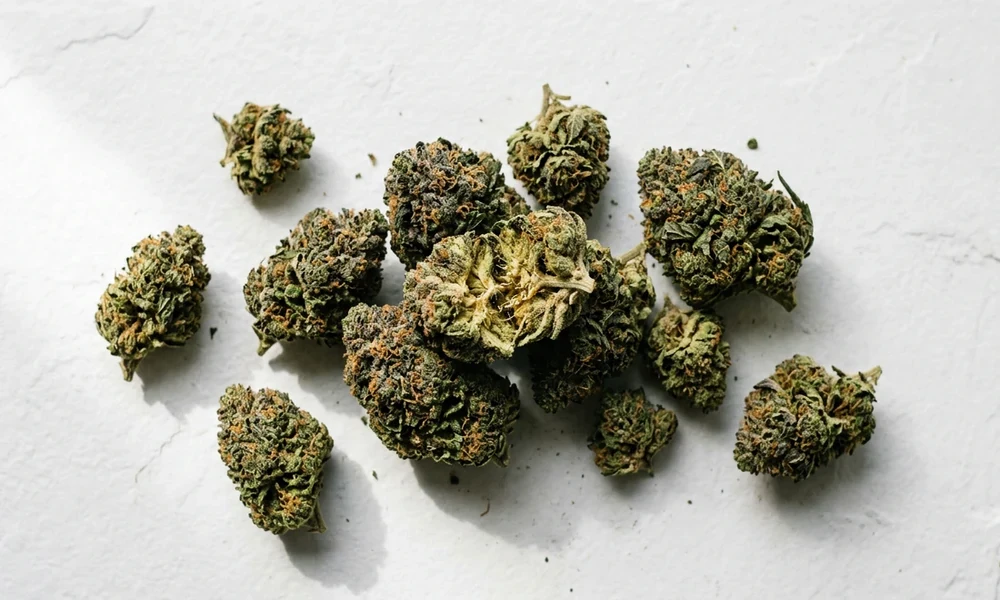
Physical assessment forms the most accessible grading layer. Five characteristics observable through direct inspection give a working picture of production quality before any documentation is consulted.
- Trichome density across bract surfaces and sugar leaves reflects accumulation supported during flowering. Even coating indicates consistent environmental conditions throughout the grow.
- Colour consistency across a specimen indicates curing handled chlorophyll breakdown without oxidation or heat damage. Deep, vibrant colouration signals a process completed without shortcuts.
- Structural integrity under light handling separates material that came through post-harvest processing intact from material that degraded during that phase.
- Moisture content within an accepted range signals curing is completed without rushing or over-drying. Proper moisture produces slight resistance when squeezed rather than crumbling or compressing flat.
- Aroma complexity on opening reflects terpene retention held through drying and curing. A sharp, layered profile indicates that post-harvest handling preserved what the plant originally produced.
Higher grade designations require all five characteristics to meet a minimum threshold simultaneously rather than excelling in one area while falling short in others.
How does chemical testing feed into grading?
Laboratory testing provides a quantifiable layer that physical inspection alone cannot deliver. Three chemical variables contribute to batch tier positioning.
- THCA percentage thresholds
Most grading systems use THCA concentration as the primary chemical divider between tiers. Higher designations consistently require figures reflecting harvest timing that caught peak accumulation rather than early or late cutting.
- Terpene percentage contribution
Total terpene percentage adds a secondary dimension. High THCA concentration alongside low terpene figures points to handling that preserved cannabinoid content but lost aromatic complexity, positioning such batches below those carrying both metrics within acceptable ranges.
- Contaminant screening results
Clean screening across pesticides, heavy metals, and microbial presence is a baseline requirement rather than a grade differentiator. A batch failing any contaminant screen does not enter a tier regardless of how well other figures perform.
How are grade claims supported?
Grade designations without supporting documentation carry limited verifiable weight. Three documentation types determine whether a grade claim reflects actual production data or a marketing position without verification.
- Batch-specific certificates tied to individual production runs allow grade claims to be cross-referenced against tested figures rather than general averages covering multiple harvests.
- Harvest and testing dates give a timeline indicating how much time passed between production and documentation, which matters when assessing whether figures reflect the current product condition.
- Cultivation environment disclosure covering indoor, greenhouse, or outdoor production provides context for physical and chemical characteristics present, supporting grade positioning with production-level transparency.
Grade identification works most reliably when physical assessment, chemical testing, and documentation are read together rather than any single layer consulted in isolation.
