

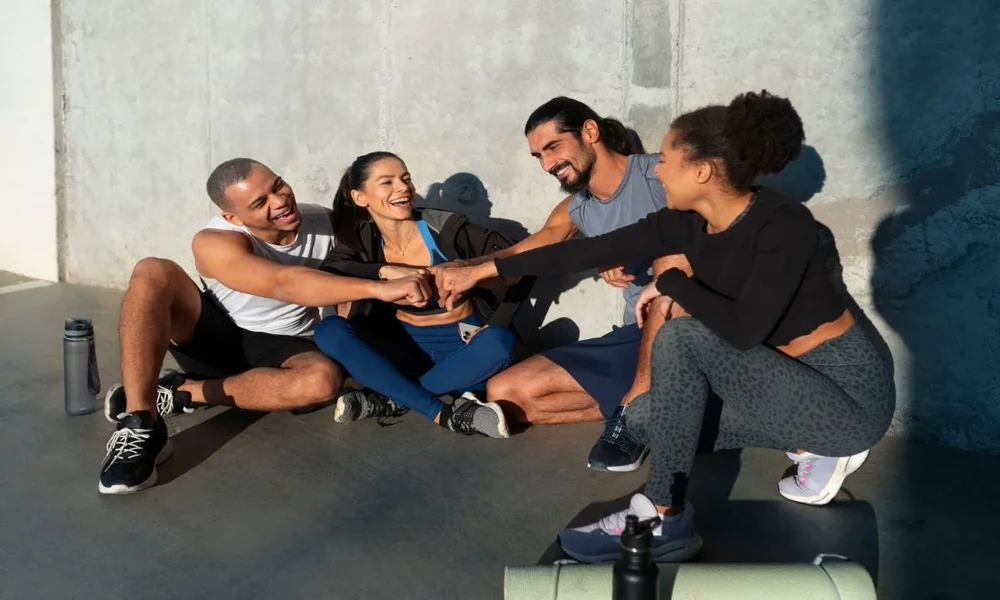
Walk into a buzzing gym where familiar faces nod hello, trainers remember your goals, and every corner feels charged with positive energy. Compare that to a gym where everyone keeps their headphones on and eye contact is rare. Which one makes you want to show up, push harder, and actually enjoy the grind? The answer tells us everything about the power of a gym’s community atmosphere.
The Psychology Behind Gym Community Atmospheres
Social connections in the gym are far more than small talk at the water cooler. When members interact, even briefly, it can spark competitiveness, camaraderie, or simple encouragement. Research in exercise psychology has found that people who feel socially connected at the gym are much more likely to stick to their routines. A friendly “see you next time” or the occasional offer to spot a heavy lift can provide just enough accountability and motivation to keep going.
Belonging is fundamental to human nature, and feeling like part of a group changes how we perceive challenges. When the gym crowd becomes familiar, showing up after a tough day feels less daunting. It is not just about discipline, but about being missed if you don’t go. That gentle pressure, knowing you’re part of something, builds true consistency.
Supportive gym environments also deliver psychological benefits beyond fitness. Reduced anxiety, higher self-esteem, and even improved mood are all linked to feeling welcomed and accepted during workouts. In spaces where encouragement is standard and achievement is celebrated, people tend to push their limits and enjoy the journey.
Elements That Shape a Gym’s Community Atmosphere
A gym’s vibe starts with its staff. Trainers who offer a quick tip or know you by name create a sense of care and engagement. At top facilities, staff actively build relationships, transforming a transactional experience into a personal one.
Then there are the members themselves. Something as simple as a friendly nod, a quick chat between sets, or sharing equipment can tip the energy of the room. Informal workout partnerships frequently emerge, helping people discover new routines or stick to old ones. When conversations flow easily, and help is always nearby, the gym feels less intimidating and more like a team.
Even physical design matters. Open spaces for group activities, lounges for post-sweat conversations, and well-lit, comfortable areas can all encourage lingering and socializing. Well-organized group fitness classes, like those at facilities with diverse options, also bring members together, sparking connections that last beyond the session.
Impact of Community Atmosphere on Fitness Results
The link between atmosphere and results is more than just a feel-good theory. Motivation levels soar in gyms where members feel seen and appreciated, often leading to greater effort, increased frequency, and better performance. Social support systems, like regular workout partners or even just recognizing others, raise the stakes and make skipping sessions less tempting.
Stories from real gym members echo this effect. Take those who overcame anxiety just by being welcomed with a smile, or who discovered new forms of exercise through group classes and community events. For many, that initial sense of belonging was what transformed an intimidating gym visit into a lifelong commitment.
When gyms foster an environment where everyone, regardless of experience, feels valued, the barriers to participation drop. Shy beginners become regulars, and seasoned athletes stick around to mentor and inspire.
Building and Sustaining a Positive Gym Community
Owners and managers set the tone. Strategies like hosting community events, encouraging staff to interact beyond transactions, and offering inclusive programs cater to a wide range of abilities and interests. Facilities that prioritize cleanliness, offer comfortable amenities, and invest in quality equipment create inviting spaces that members want to return to.
Inclusivity is key, welcoming people of all ages, backgrounds, and fitness goals builds a richer, more resilient community. This extends from the weight room to the lounge area, and even to the health bistro or outdoor terrace between workouts.
Leveraging technology also plays a role. Apps for class booking, member forums, and event notifications keep the community connected, even outside gym hours. The best gyms blend tradition and innovation to keep members engaged both on and off the floor.
Case Study: West-End Cavendish Gym’s Community Model
Consider the West-End Montreal gym as a living case study. With its premium equipment, a heated saltwater pool, and amenities like functional training zones and relaxing lounges, the environment itself feels welcoming. But facilities alone are only part of the story.
Members consistently rave about the supportive staff, diverse group classes, and the comfort found in a clean, well-organized space. Stories highlight how anxiety melts away thanks to genuine greetings and a culture where everyone, from competitive athletes to complete beginners, feels included. From free personal training sessions to spontaneous workout partnerships, every detail is designed to bring people together.
Testimonials tell of friendships sparked over shared goals, routines developed with gentle encouragement, and personal records broken not only through hard work, but because someone cared enough to notice. This sense of belonging has led to high retention and remarkable member results.
The takeaway? A genuine community focus, as demonstrated by this gym, is not a luxury, it is a catalyst for motivation, accountability, and lasting fitness success. Other gyms looking to improve should take note: investing in people pays off far more than flashy machines or fleeting promotions. When you create a space where members feel at home, their motivation and results naturally follow.
