

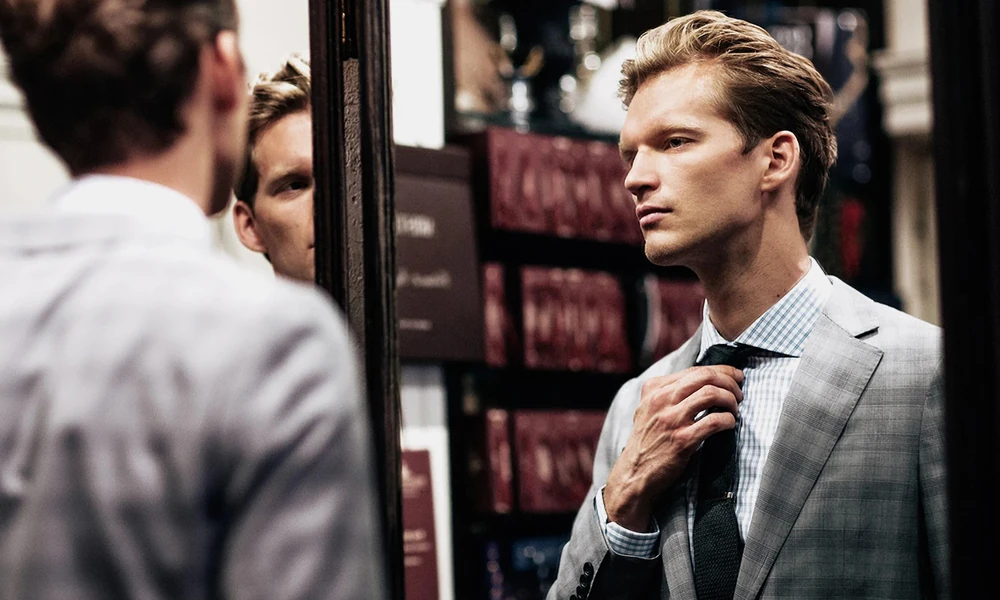
A well-fitted blazer adds structure to an outfit while a vest introduces a refined finishing touch. These garments suit office meetings, formal gatherings, and smart casual occasions. Thoughtful tailoring helps each piece match personal preferences and daily needs. A skilled bangkok suit tailor can guide customers through fabric choices, measurements, and design details. Careful construction also improves movement and shape. The result is clothing that remains useful across different settings without relying on passing trends.
Personal Designs for Everyday Dressing
Individual preferences shape the appearance of tailored clothing. Customers can choose lapel styles, button placement, pocket designs, and garment lengths. These details influence how a blazer or vest looks with other wardrobe pieces.
Personal consultations also help identify suitable colours. Neutral shades work well for regular use. Distinctive tones can support special occasions.
Fabric Choices for Better Results
Fabric affects the garment’s weight, texture, and appearance. The right material depends on climate, intended use, and care requirements. Customers should compare several options before making a selection.
Wool offers structure for formal clothing. Cotton provides a lighter alternative. Linen suits warmer conditions when its natural creases are acceptable.
Details That Improve Garment Fit
Accurate measurements help create a balanced shape. Tailors review shoulder width, chest size, waist position, and sleeve length before cutting the fabric. Small adjustments can make garments easier to wear throughout the day.
- Shoulder seams should follow the natural shoulder line.
- Sleeve length should suit the chosen shirt style.
- Chest measurements should allow comfortable arm movement.
- Waist shaping should maintain a balanced outline.
- Lapel width should match the garment’s proportions.
- Pocket placement should support a neat appearance.
- Vest length should cover the waistband properly.
- Button positions should allow the garment to close smoothly.
How Do Tailors Balance Style with Daily Needs?
Tailors begin by understanding where the garment will be worn. Office clothing may require restrained colours and a structured shape. Event clothing can allow more visible details. These decisions help the finished piece suit its intended purpose.
A bangkok suit tailor may recommend changes to the lapels, lining or overall length after reviewing the customer’s preferences. Practical details matter too. Customers should discuss pocket use, shirt choices and expected movement. This approach helps create clothing that looks appropriate without becoming difficult to wear. A useful design combines personal taste with sensible construction.
Common Questions About Tailored Clothing
- Which fabric suits warm weather? Cotton and linen offer lighter options for many warm conditions.
- Can a vest be worn separately? Yes, a simple vest can complement tailored trousers and shirts.
- How should a blazer fit? It should follow the shoulders while allowing comfortable movement.
- Are multiple fittings necessary? Some garments need additional fittings to refine their shape.
- Which colours suit office wear? Navy, charcoal, and muted shades are common professional choices.
- How can garments last longer? Follow care labels, store them properly, and repair damage promptly.
Thoughtful Choices Create Lasting Wardrobes
Good tailoring depends on clear requirements, suitable materials, and careful adjustments. Each garment should serve a real purpose. Customers can achieve better results by communicating preferences early and reviewing fit during appointments. Regular care helps preserve the finished work. Consistency matters more than perfection because useful clothing develops its value through repeated wear and sensible maintenance.
