

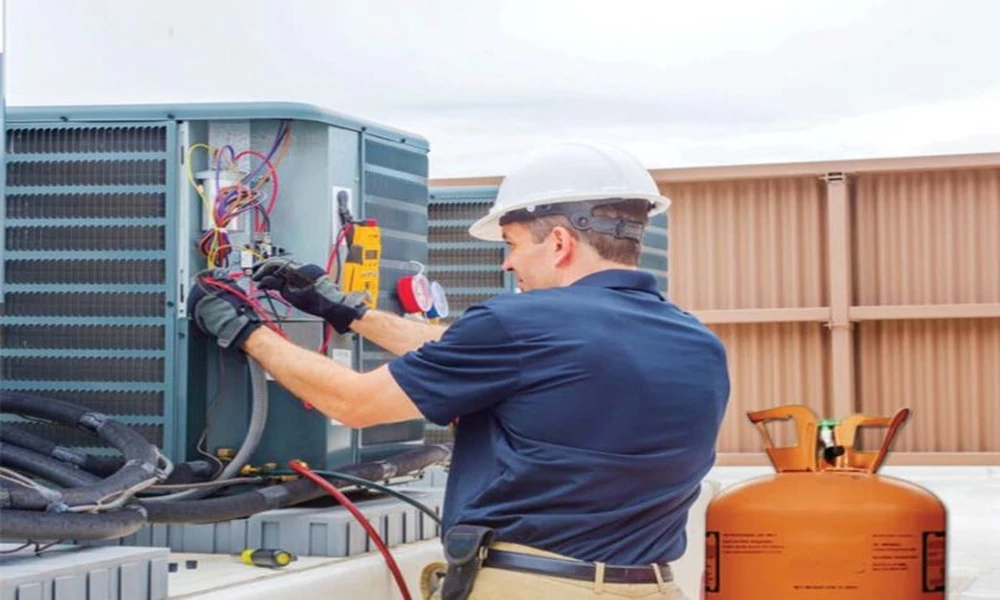
Keeping a home comfortable throughout the year can become challenging when heating and cooling systems use more energy than necessary. Homeowners are increasingly looking for practical ways to improve comfort while making better use of the energy they consume.
Heat pumps offer an alternative approach by moving heat rather than simply generating it. When properly selected, installed and maintained, energy-efficient heat pump services can help homeowners create a comfortable indoor environment while reducing unnecessary energy use.
How Heat Pumps Work
A heat pump transfers heat from one place to another. During colder weather, it can move available heat into the home, while a reversible system can remove heat from indoor spaces when temperatures rise. This makes one system capable of supporting both heating and cooling needs.
Because the system transfers heat rather than relying entirely on combustion or electrical resistance to create heat, it can be an efficient option for suitable homes. However, performance depends on factors such as the system design, outdoor conditions, property insulation and correct installation.
Why Heat Pumps Can Improve Home Efficiency
One of the main advantages of heat pumps is their ability to provide heating and cooling through a single system. This can simplify home comfort management and reduce the need for separate equipment for different seasons. Energy-efficient heat pump services can also help homeowners choose equipment that suits the property’s size and heating requirements.
Efficiency is not only about the equipment itself. A heat pump needs to be correctly sized and installed to work effectively. Poor installation, restricted airflow or inadequate insulation can affect performance. A professional assessment can therefore be valuable before choosing a system.
Better Comfort Throughout the Year
Modern heat pumps can provide consistent indoor temperatures when correctly designed for the property. Instead of focusing only on short periods of intense heating or cooling, the system can work steadily to maintain a comfortable environment.
This can be particularly useful for homeowners who want one solution for different seasons. With suitable controls, occupants can adjust temperatures according to their needs without relying on separate heating and cooling equipment.
Choosing the Right Heat Pump
Not every heat pump will be suitable for every home. Factors such as available space, existing heating equipment, insulation and the property’s heating demand should be considered before installation.
A professional assessment can help identify the most appropriate system and explain what installation involves. It can also highlight improvements, such as better insulation or airflow, that may help the system perform more effectively.
Installation Makes a Difference
Correct installation is essential for reliable heat pump performance. Even high-quality equipment may not deliver the expected results if it is poorly positioned, incorrectly sized or improperly connected.
Professional installation also provides an opportunity to check the wider heating and cooling setup. This can help identify potential problems before they affect comfort or increase running costs.
Maintaining Your Heat Pump
Like any mechanical system, a heat pump benefits from regular attention. Filters should be kept clean, outdoor areas should remain clear of obstructions, and unusual noises or changes in performance should not be ignored.
Regular professional maintenance can help identify developing issues before they become more serious. Keeping the system in good condition can also support reliable performance and help maintain comfortable indoor temperatures throughout the year.
Is a Heat Pump Right for Your Home?
A heat pump can be a practical choice for homeowners looking to improve heating and cooling efficiency, but it is not automatically the right solution for every property. The building’s insulation, layout, existing system and heating requirements all need to be considered.
Taking time to assess these factors can help you make a more informed decision. Rather than focusing only on the initial purchase price, consider installation, ongoing maintenance, expected performance and how well the system fits your home’s long-term needs.
Conclusion
Heat pumps can provide an efficient and flexible way to manage indoor temperatures throughout the year. Their ability to transfer heat for both heating and cooling makes them an attractive option for homeowners seeking a more practical approach to home energy use.
The best results come from choosing the right system and having it professionally installed and maintained. With careful planning, a heat pump can support year-round comfort while making better use of the energy your home consumes.
